
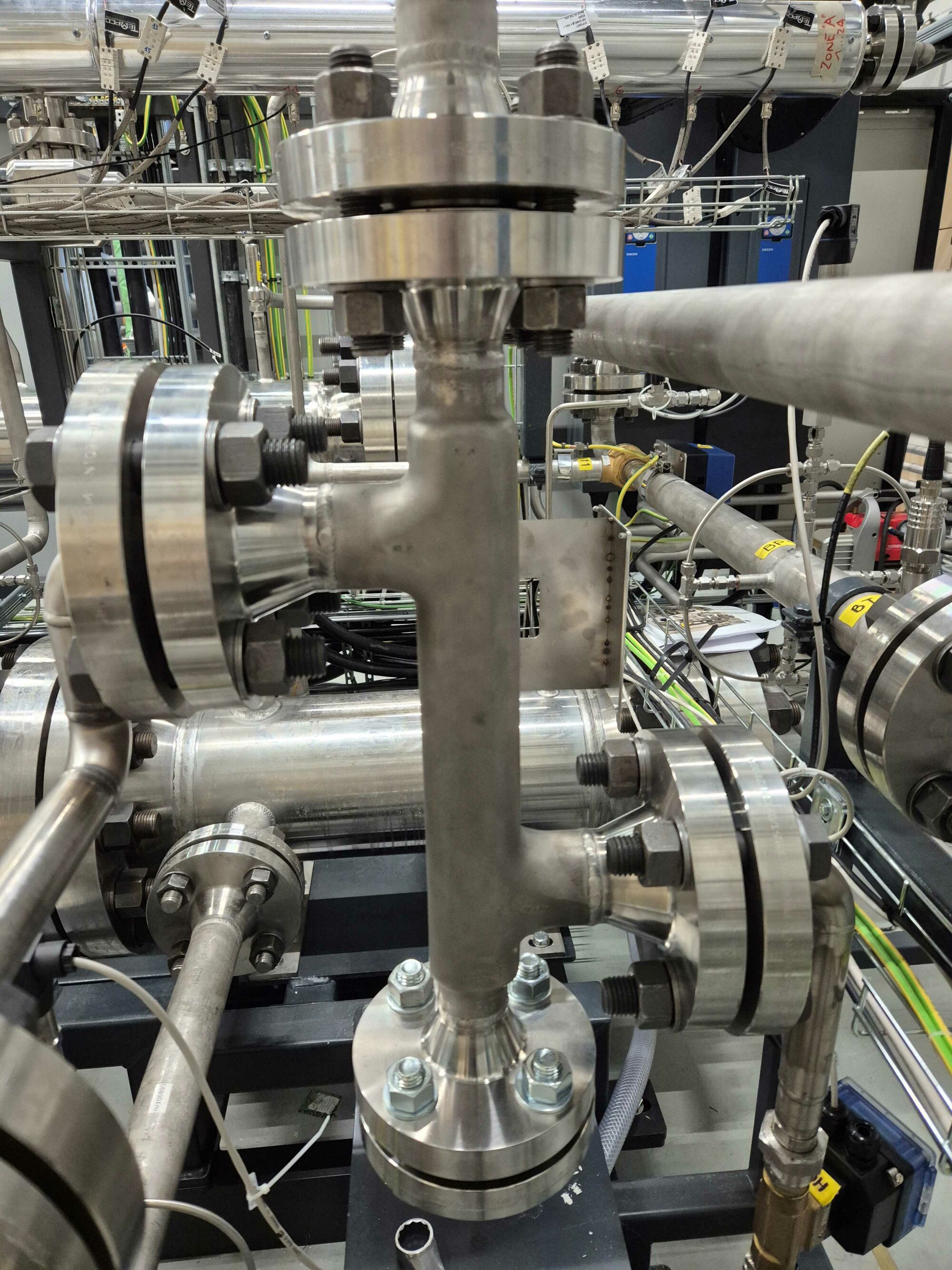
As industries pursue higher efficiency, lower emissions, and more compact process architectures, thermal management has become a critical engineering challenge. From renewable energy storage and carbon capture to advanced power cycles and innovative process technologies, heat exchangers are increasingly recognized as strategic components that directly influence system performance, operating costs, and environmental impact.
Traditional heat exchanger technologies remain highly effective for many applications. However, emerging industries are now demanding levels of thermal performance, compactness, and integration that often exceed the capabilities of conventional manufacturing methods. This is where additive manufacturing is creating new opportunities.
Why Heat Exchangers Matter More Than Ever
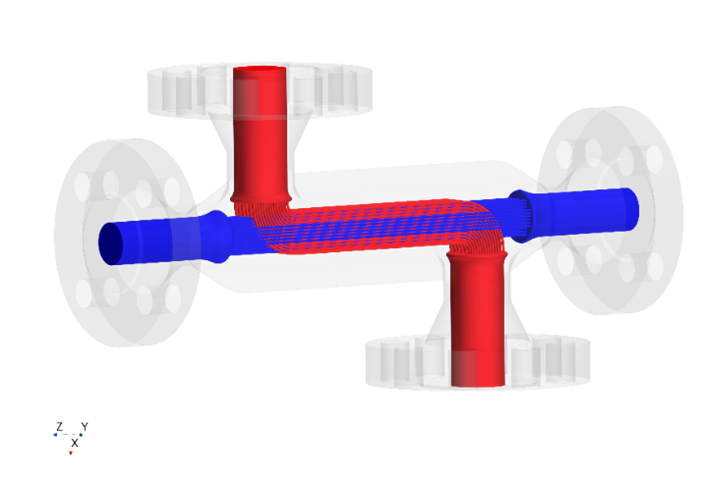
Virtually every energy conversion or industrial process relies on the transfer of heat. Whether recovering waste heat, preheating process streams, cooling equipment, or maximizing energy efficiency, heat exchangers play a central role in achieving economic and environmental objectives.
Modern systems increasingly require:
- Higher thermal effectiveness
- Reduced pressure losses
- Smaller footprint and lower weight
- Operation under high temperatures and pressures
- Greater integration within complex process architectures
Meeting all these requirements simultaneously is becoming one of the major engineering challenges of the energy transition.
Additive Manufacturing: Unlocking New Possibilities
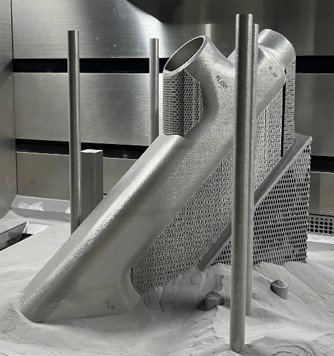
Metal additive manufacturing is transforming the way heat exchangers can be designed and produced. Unlike conventional fabrication methods, additive manufacturing enables engineers to create highly complex internal geometries that were previously impossible or prohibitively expensive to manufacture.
Key advantages include:
- Three-dimensional flow paths optimized for heat transfer
- Enhanced surface-area-to-volume ratios
- Integrated multifunctional components
- Reduced assembly complexity
- Faster prototyping and design iterations
- Weight and material savings
Rather than adapting designs to manufacturing constraints, engineers can now optimize heat exchanger geometries directly for thermal and hydraulic performance.
High-Temperature Energy Storage and Thermal Batteries
Thermal energy storage is receiving growing attention as a solution for balancing intermittent renewable electricity production and improving industrial energy efficiency.
Many next-generation thermal battery systems rely on highly efficient heat transfer between storage media and working fluids operating at elevated temperatures. In these environments, compact heat exchangers are essential to maximize energy density while minimizing system costs and footprint.
Additive manufacturing enables the development of highly optimized heat transfer structures capable of handling large thermal gradients and demanding operating conditions. This flexibility allows engineers to tailor exchanger architectures specifically for each storage technology and operating regime.
Carbon Capture and Carbon Utilization
The economic viability of carbon capture technologies depends heavily on process efficiency. A significant portion of operating costs is often linked to heating and cooling requirements within regeneration and separation processes.
Advanced heat exchangers contribute to:
- Heat recovery and integration
- Reduced energy consumption
- Improved process efficiency
- Lower operating costs
- Reduced equipment footprint
As carbon capture and utilization technologies mature, increasingly compact and efficient thermal solutions will become essential for commercial deployment.
Advanced Industrial Processes
New industrial processes in the fields of sustainable chemistry, circular economy technologies, and low-carbon manufacturing frequently require thermal management solutions that differ substantially from traditional industrial equipment.
Challenges often include:
- Rapid heating and cooling cycles
- High heat flux densities
- Compact system integration
- Custom operating conditions
- Frequent design optimization during development
The design freedom offered by additive manufacturing enables the creation of application-specific heat exchangers optimized for both performance and manufacturability.
Supercritical CO₂ Brayton Cycles: A Growing Opportunity
Among the most promising emerging applications for advanced heat exchangers are power systems based on supercritical carbon dioxide (sCO₂).
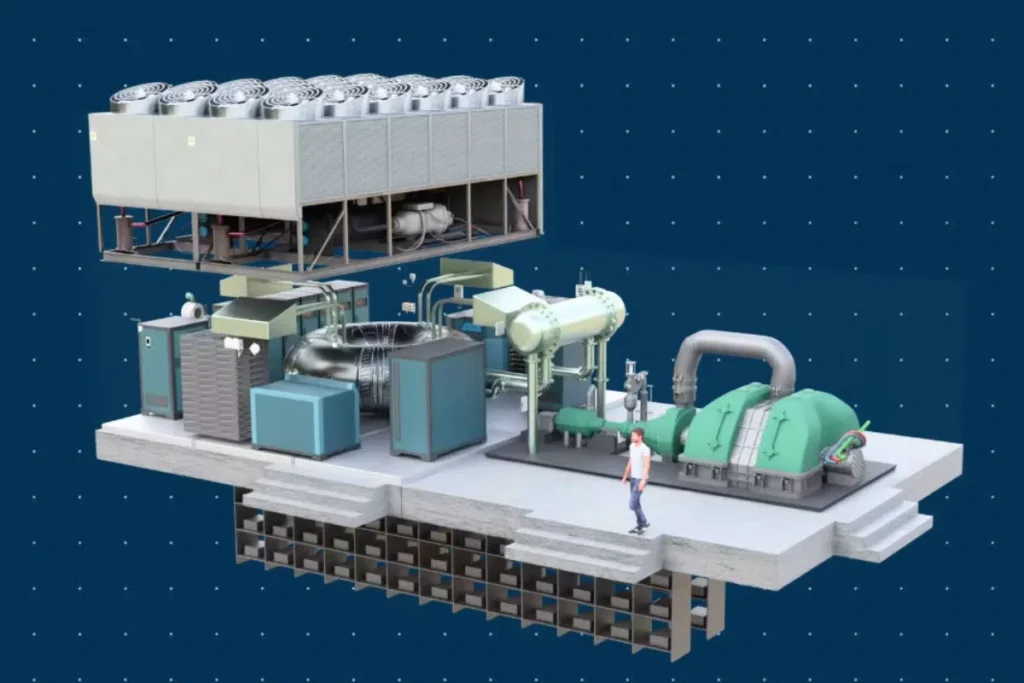
When carbon dioxide operates above its critical point (31°C and 73.8 bar), it exhibits unique thermodynamic properties that allow highly efficient energy conversion in compact systems. As a result, sCO₂ Brayton cycles are attracting increasing interest for applications including:
- Advanced nuclear reactors
- Concentrated solar power
- Industrial waste heat recovery
- Energy storage systems
- Small modular reactors (SMRs)
One of the main advantages of sCO₂ technology is its potential to deliver efficiencies comparable to or higher than conventional steam cycles while significantly reducing equipment size.
Heat Exchangers: The Critical Component of sCO₂ Systems
The performance of an sCO₂ Brayton cycle depends heavily on several key heat exchangers, including:
- High-temperature recuperators
- Low-temperature recuperators
- Primary heat exchangers
- Coolers and precoolers
These components must simultaneously achieve:
- Extremely high thermal effectiveness
- Very low pressure losses
- Resistance to high pressures
- Excellent mechanical integrity
- Long-term reliability under cyclic operation
This combination of requirements makes additive manufacturing particularly attractive. Complex microchannel architectures and advanced surface designs can significantly improve thermal performance while maintaining compact dimensions and structural robustness.

The DESOLINATION Project: Accelerating Innovation
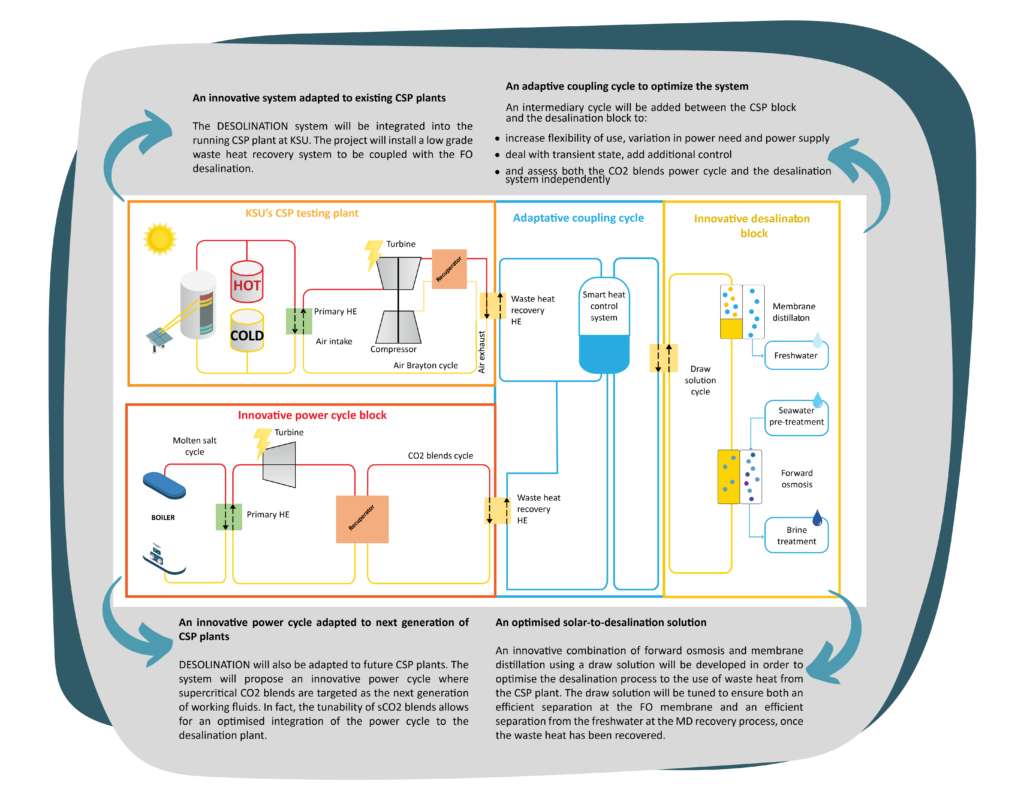
The European DESOLINATION project illustrates how advanced thermal engineering and innovative heat exchanger technologies are becoming essential enablers of future energy systems. By exploring highly efficient thermal processes and next-generation heat transfer solutions, such initiatives demonstrate the growing demand for compact, high-performance heat exchangers capable of operating under challenging conditions.
Projects of this kind highlight a broader industrial trend: thermal management is no longer merely a supporting function but a key driver of system efficiency, sustainability, and competitiveness.
Enabling the Technologies of Tomorrow
As emerging industries continue to push the boundaries of performance, conventional thermal equipment is increasingly reaching its practical limits. Advanced heat exchangers combined with additive manufacturing offer a powerful pathway toward more efficient, compact, and integrated energy and process systems.
At TEMISTh, we believe the future of thermal engineering lies in combining deep heat transfer expertise with advanced manufacturing technologies. By developing tailored solutions for demanding applications, we help innovators transform ambitious concepts into high-performance industrial reality.
The next generation of energy, carbon management, and advanced industrial processes will depend on thermal systems capable of doing more with less. Advanced heat exchangers will be at the center of that transformation.